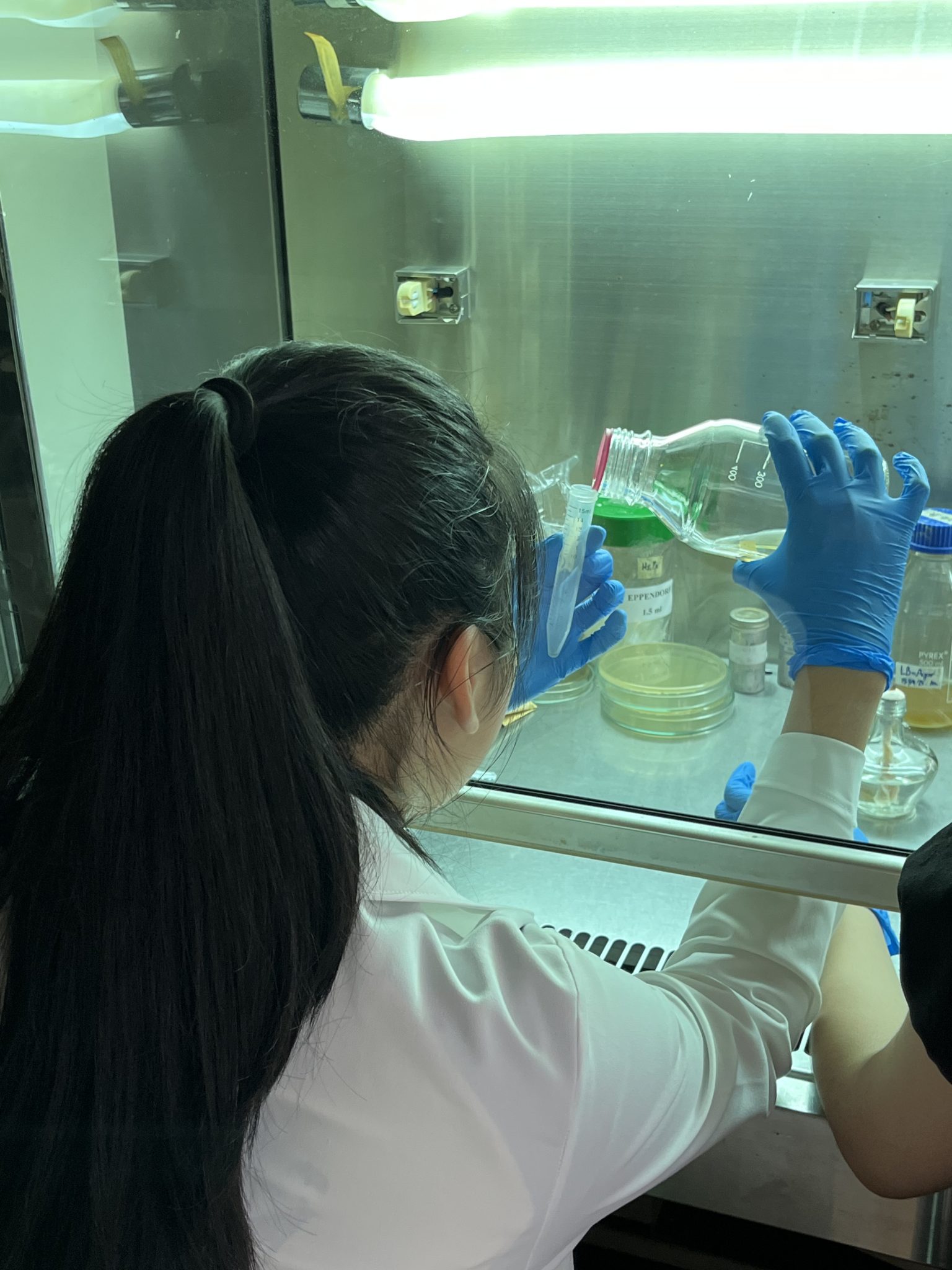

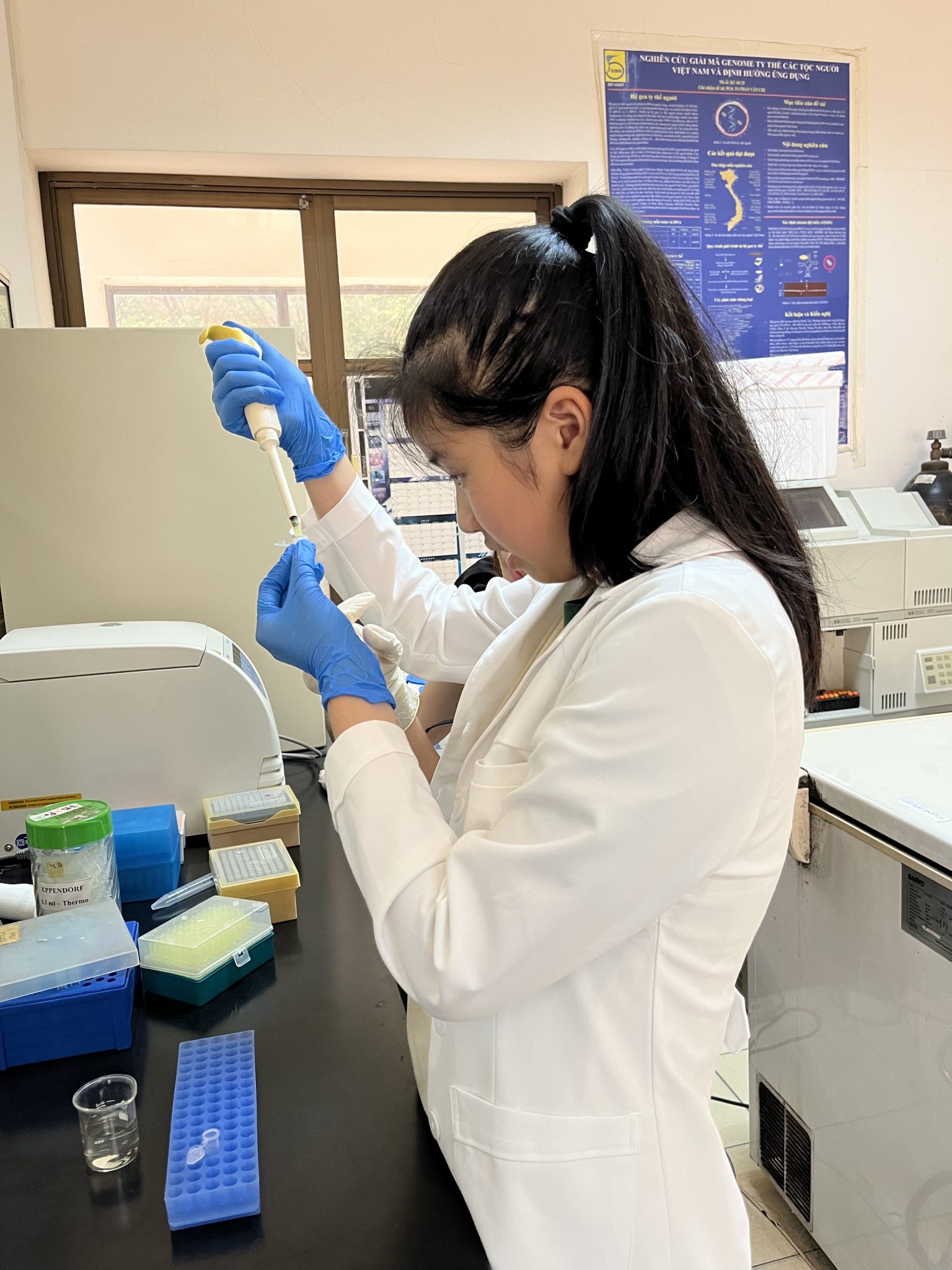


Assessment Of Abiotic Factors And Environmental Health At Sơn Trà Tịnh Viên, Sơn Trà, Đà Nẵng (supervisor: B.A Hons Kieran Bruce Stoddart)
During high school, our teachers usually open up opportunities for us to conduct research. Last school year, I had the opportunity to turn what I learned in class into research at Sơn Trà Tịnh Viên, Đà Nẵng.
Through assessing abiotic factors and environmental health, I learned to look beyond what I could immediately see – to collect data, recognize patterns, and use evidence to understand how a living environment functions. More than simply applying scientific knowledge, the project showed me how classroom concepts could become tools for exploring the world around me.
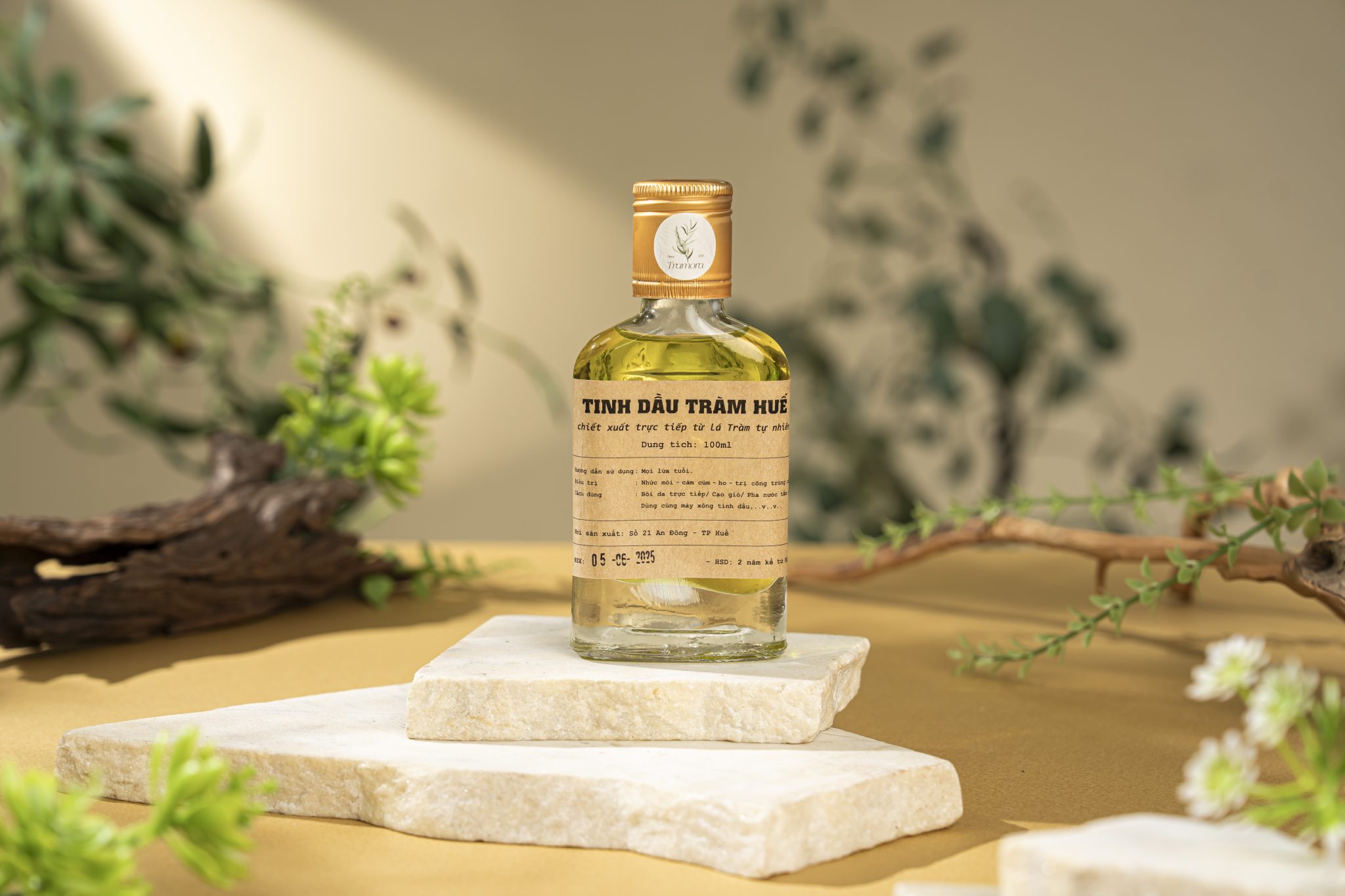

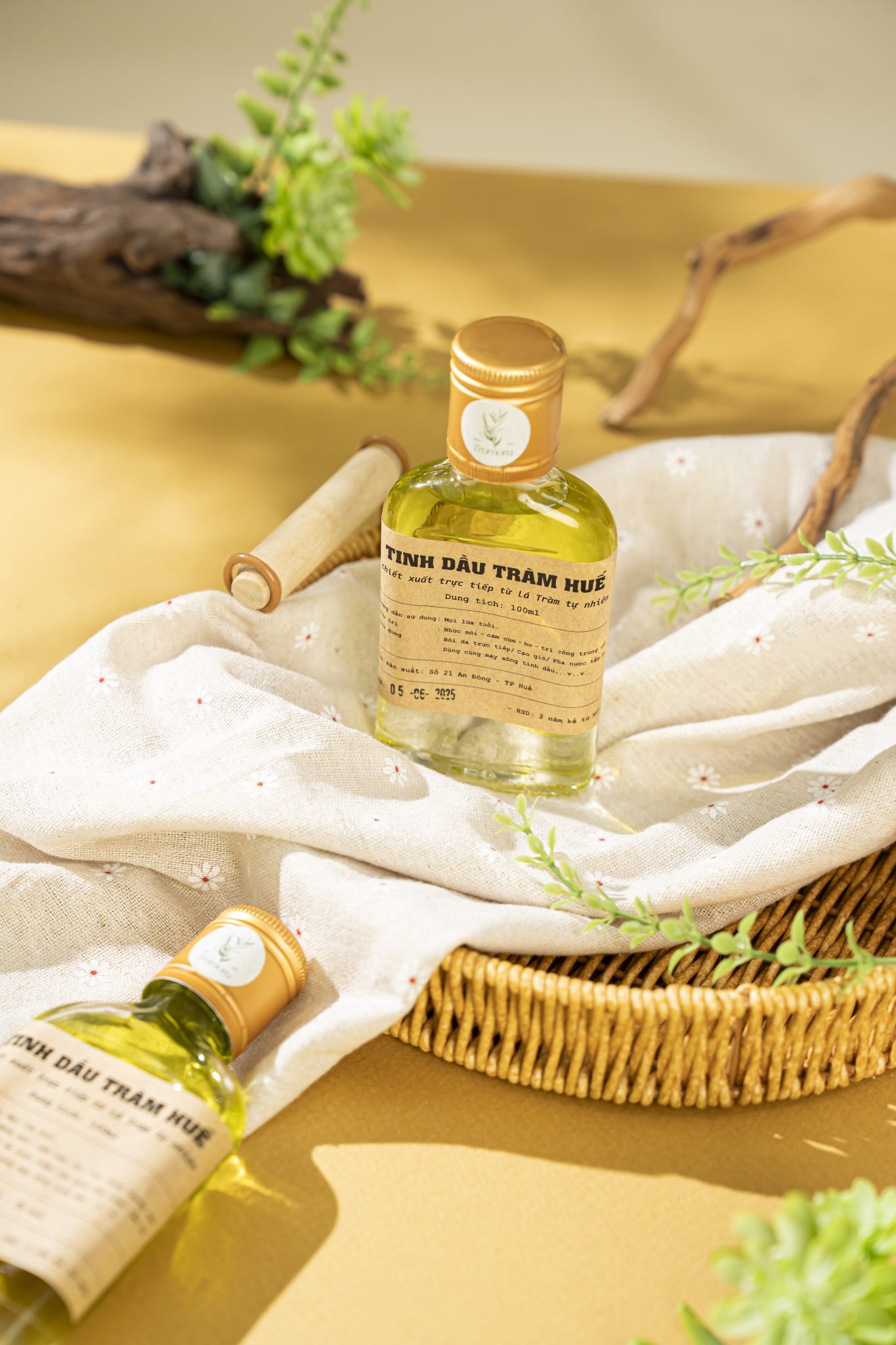

Factors Affecting The Decision To Buy Cajeput Essential Oil Of Mother And Baby Customers In Vietnam
I also supported a student research project examining what influences mothers’ and babies’ customers’ decisions to purchase cajeput essential oil. Unlike my previous scientific research, this project took me outside the laboratory: I helped collect real-world responses, work with quantitative data, and analyze patterns in people’s purchasing decisions.
It taught me that research does not always begin with an experiment or end with a chemical compound; sometimes, it means listening to people, turning their responses into data, and letting the numbers reveal a story. It also taught me to be more careful with evidence and showed me that research can be a way to understand not only the natural world, but also the people within it.